Alles enthalten, null Boilerplate
Jede Funktion ist bereits ins Framework integriert. Metadaten konfigurieren, die Laufzeit erledigt den Rest.
Metadaten-basiert
Definiere Tabellen und Spalten als Metadaten: Das Framework generiert automatisch CRUD, Filter, Paging und Validierung.
Visueller Designer
Drag-and-drop-Dashboards mit Datasource, Repeater, Diagrammen, Karten, Scheduler und dynamischen Templates.
Workflow-Engine
Designer und Runner für operative Prozesse: bedingte Graphen, Schritte, eigene Aktionen und automatische Trigger.
Report-Builder
Berichtserstellung mit integriertem Designer und Runtime-Viewer, Export als PDF/Excel.
RAG-Chatbot
Integrierter KI-Assistent, der die Anwendung aus dem Chat konfiguriert: Seiten, Menüeinträge, Spalten, Aktionen, Styles und Workflow-Knoten, angewendet erst nach Ihrer Freigabe.
Multi-DBMS
SQL Server, MySQL, PostgreSQL und Oracle werden über Drop-in-Provider unterstützt. Datenbank wechseln ohne Code-Umschrift.
Linux nativ
Deployment auf Linux mit SQL Server, MySQL, PostgreSQL oder Oracle. Cross-Platform-Stack .NET 10, eigenständiges Tarball, keine Windows-Runtime-Abhängigkeiten.
In Aktion sehen
Echte Oberflächen vom Framework generiert. Jede Komponente ist über Metadaten konfigurierbar.
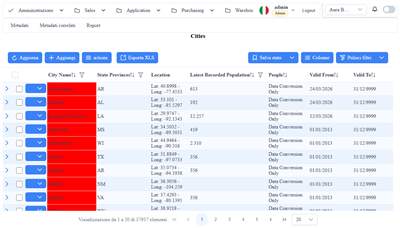
List Grid
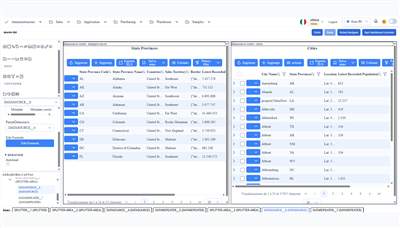
Designer
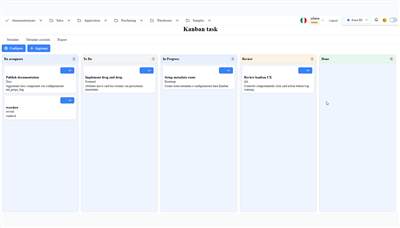
Kanban
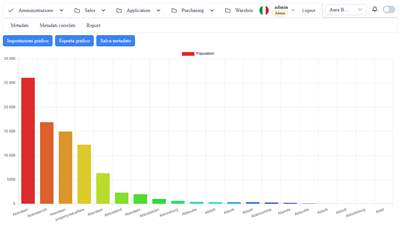
Chart
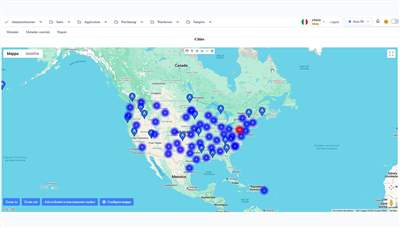
Map
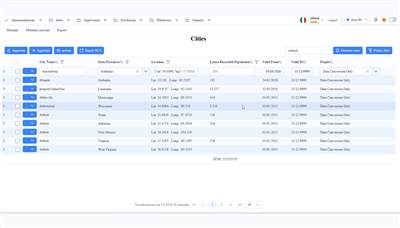
Edit Form
In 3 Schritten einsatzbereit
ZIP herunterladen, Datenbank konfigurieren, starten. Keine komplexe Installation.
Herunterladen und entpacken
ZIP aus Download laden und entpackenBackend starten
dotnet runFrontend starten
cd wwwroot && npm install && npm run serve:npm